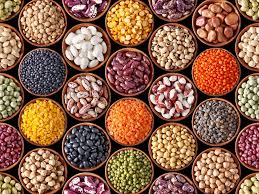
The Power of Pulses: Why These “Mighty Seeds” Are Essential for Your Health
Often overlooked in favor of flashier superfoods, pulses are a nutritional powerhouse that deserve a central spot on your plate. Whether it’s lentils in a soup, chickpeas in hummus, or beans in a curry, these seeds of leguminous plants are a crucial, budget-friendly, and sustainable food source.
1. Nutritional Powerhouses (Packed with Protein & Fiber)
Pulses contain about 20–25% protein by weight, which is double the protein content of wheat and three times that of rice. They are an ideal plant-based protein source for vegetarians and vegans.
- High Fiber: They are packed with dietary fiber, which aids digestion and helps manage weight.
- Low Glycemic Index: Pulses help maintain stable blood sugar levels, making them excellent for managing diabetes.
- Nutrient Dense: They provide essential iron, vitamins, and minerals.
2. Good for the Planet (Sustainable Farming)
Pulses are not just good for you; they are good for the environment.
- Nitrogen Fixation: They enrich the soil by naturally fixing nitrogen, which reduces the need for chemical fertilizers.
- Low Water Footprint: Many pulses are drought-tolerant and can thrive with less water than other crops.
3. Top Varieties to Include in Your Diet
- Lentils (Masoor): Quick-cooking and versatile.
- Chickpeas (Chole/Kabuli Chana): Perfect for salads, snacks, and hummus.
- Dry Beans (Rajma/Kidney Beans): Hearty and protein-rich.
- Pigeon Peas (Toor/Arhar): A staple in many Indian dishes.
- Green/Black Gram (Moong/Urad): Highly digestible and nutrient-dense.
Conclusion: Small Seed, Big Impact
Incorporating pulses into your daily meals 2-3 times a week is an easy way to boost your health and support sustainable agriculture.
The Power of Pulses: Why These “Mighty Seeds” Are Essential for Your Health
Often overlooked in favor of flashier superfoods, pulses are a nutritional powerhouse that deserve a central spot on your plate. Whether it’s lentils in a soup, chickpeas in hummus, or beans in a curry, these seeds of leguminous plants are a crucial, budget-friendly, and sustainable food source.
1. Nutritional Powerhouses (Packed with Protein & Fiber)
Pulses contain about 20–25% protein by weight, which is double the protein content of wheat and three times that of rice. They are an ideal plant-based protein source for vegetarians and vegans.
- High Fiber: They are packed with dietary fiber, which aids digestion and helps manage weight.
- Low Glycemic Index: Pulses help maintain stable blood sugar levels, making them excellent for managing diabetes.
- Nutrient Dense: They provide essential iron, vitamins, and minerals.
2. Good for the Planet (Sustainable Farming)
Pulses are not just good for you; they are good for the environment.
- Nitrogen Fixation: They enrich the soil by naturally fixing nitrogen, which reduces the need for chemical fertilizers.
- Low Water Footprint: Many pulses are drought-tolerant and can thrive with less water than other crops.
3. Top Varieties to Include in Your Diet
- Lentils (Masoor): Quick-cooking and versatile.
- Chickpeas (Chole/Kabuli Chana): Perfect for salads, snacks, and hummus.
- Dry Beans (Rajma/Kidney Beans): Hearty and protein-rich.
- Pigeon Peas (Toor/Arhar): A staple in many Indian dishes.
- Green/Black Gram (Moong/Urad): Highly digestible and nutrient-dense.
Conclusion: Small Seed, Big Impact
Incorporating pulses into your daily meals 2-3 times a week is an easy way to boost your health and support sustainable agriculture.